Central Vietnam is compact by the standards of the country but deceptive on the ground. The straight-line distance from Phong Nha to Hoi An is barely 350 km, yet the geography between those points — the Truong Son mountains to the west, the Hai Van range cutting across the coast, and a string of river deltas in between — turns every journey into a choice between speed, scenery and comfort.
This guide lays out every realistic connection between the region's four main bases: Hue, Da Nang, Hoi An and Phong Nha. For each route it gives distance, driving time, transport options and what the trip is actually like. Nothing here is theoretical — these are roads that run daily.
The geography you are working with
Four places anchor travel in the central region, and nearly every visitor passes through at least two of them:
Hue — the former imperial capital, base for the Citadel, royal tombs and the DMZ. One airport, Phu Bai (15 km south), mostly for domestic flights. Railway station on the Reunification Express line.
Da Nang — the largest city in central Vietnam, with the region's main international airport. Gateway to Ba Na Hills and the starting point for the Hai Van Pass from the south side.
Hoi An — 30 km south of central Da Nang and, since 2025, part of Da Nang city. No airport, no railway. Every arrival is by road.
Phong Nha — 200+ km north of Hue, home to Son Doong, the world's largest known cave. Since 2025 it belongs to Quang Tri province; before that it was in Quang Binh. Small airport at Dong Hoi (50 km away). No railway station that is practical for tourists.
What each of these places is like, who it suits and where to stay is covered in our central Vietnam travel guide.
Route-by-route breakdown
Hue to Hoi An — 135 km, 3–3.5 hours
The most popular route in the region, and the one with the most options. The road runs south over the Hai Van Pass, or through the tunnel underneath it when rain closes the pass, and along the coast past Da Nang. A private car lets you make short photo stops at the Lap An lagoon, the fishing village of Lang Co and the Hai Van Pass summit, without losing time negotiating with a driver who wants to finish early.
Alternatives: the train covers Hue to Da Nang in 2.5 hours, but drops you 30 km from Hoi An with no onward connection except a taxi. Shuttle buses run the whole distance in about 4 hours, from around 200,000 VND a seat, but stop only at their own pick-up points. Our private car costs 1,600,000 VND in a 4-seat car or 1,800,000 VND in a 7-seat car for the whole trip, stops included.
Read the full guide: Hue to Hoi An by Private Car: Route, Stops and Cost.

Hue to Da Nang — 100 km, 2–2.5 hours
Shorter than Hue to Hoi An, and the part everyone remembers is the Hai Van Pass — a 20 km climb over the last spur of the Truong Son range, with views over both sides of the coast. The tunnel bypasses the pass entirely, saving 30 minutes but losing the reason most people drive rather than fly.
The train is a serious option here: 2.5 hours, cheap, and the coastal section between Hue and Lang Co is one of the finest railway stretches in Southeast Asia. But it runs to Da Nang station, not to wherever your hotel is, and schedules are limited to a few departures a day. A private car lets you stop where you like; ours costs 1,400,000 VND in a 4-seat car or 1,600,000 VND in a 7-seat car.

Da Nang to Hoi An — 30 km, 40–50 minutes
Short enough that the only real question is cost and convenience. A taxi costs roughly 250,000–450,000 VND depending on the size of the car, though you will often be offered a flat fare. Grab works here too. A private car transfer at a fixed price removes the negotiation and includes waiting at the airport if your flight is late — useful when arriving at Da Nang airport and heading straight to Hoi An, which most visitors do.
Hue to Phong Nha — 210 km, 3.5–4 hours
The longest drive on this list and the one with the fewest alternatives. There is no train and no direct bus worth recommending. The road is good — mostly the AH1 highway — but featureless for long stretches. A private car lets you break the journey at the Vinh Moc tunnels or the DMZ sites in Quang Tri, which sit roughly halfway and make the drive feel purposeful rather than endured.
Our private car costs 1,800,000 VND one way in a 4-seat car or 2,000,000 VND in a 7-seat car, and the stops at the DMZ sites on the way are included; entrance tickets are not. If you are coming from Da Nang or Hoi An, add the drive to Hue from the routes above to these 3.5–4 hours. The road passes through Hue, which makes a stopover logical. You can also go straight through: Da Nang to Phong Nha costs 3,100,000 VND (4-seat) or 3,500,000 VND (7-seat), and Hoi An to Phong Nha 3,300,000 VND or 3,800,000 VND.

Hue to the DMZ — 70 km, 1.5 hours one way
Quang Tri province begins about 60 km north of Hue. The main DMZ sites — the Hien Luong bridge, the former border, the Vinh Moc tunnels — are spread across another 30 km of coast. A full-day tour from Hue covers the key sites and returns by late afternoon. Khe Sanh, the former marine base, is further west and adds two hours of mountain road.
This is day-trip territory: nobody stays in the DMZ area. Private car is the standard way to do it because public transport between the sites does not exist in any practical sense. Our DMZ day trip from Hue costs 1,750,000 VND in a 4-seat car or 1,950,000 VND in a 7-seat car; adding Khe Sanh brings it to 2,150,000 VND or 2,350,000 VND.

Airport transfers
Central Vietnam has two airports that matter for tourists:
Da Nang International Airport (DAD) — the main gateway, with direct flights from Seoul, Tokyo, Singapore, Bangkok and most Vietnamese cities. 3 km from the city centre, 30 km from Hoi An, 100 km from Hue.
Phu Bai Airport (HUI) — mostly domestic flights, serving Hue. 15 km from the city centre. Small, uncrowded, and very quick to clear.
For Hue arrivals, Phu Bai is the obvious choice if a direct flight exists. For Hoi An, there is no airport — you fly into Da Nang and drive south. Our transfer from a hotel in Hue to Phu Bai costs 200,000 VND in a 4-seat car or 250,000 VND in a 7-seat car.

Comparing your options: private car, train, bus, flight
Here is how the four main ways of travelling compare. Not every option exists on every route.
Private car with driver
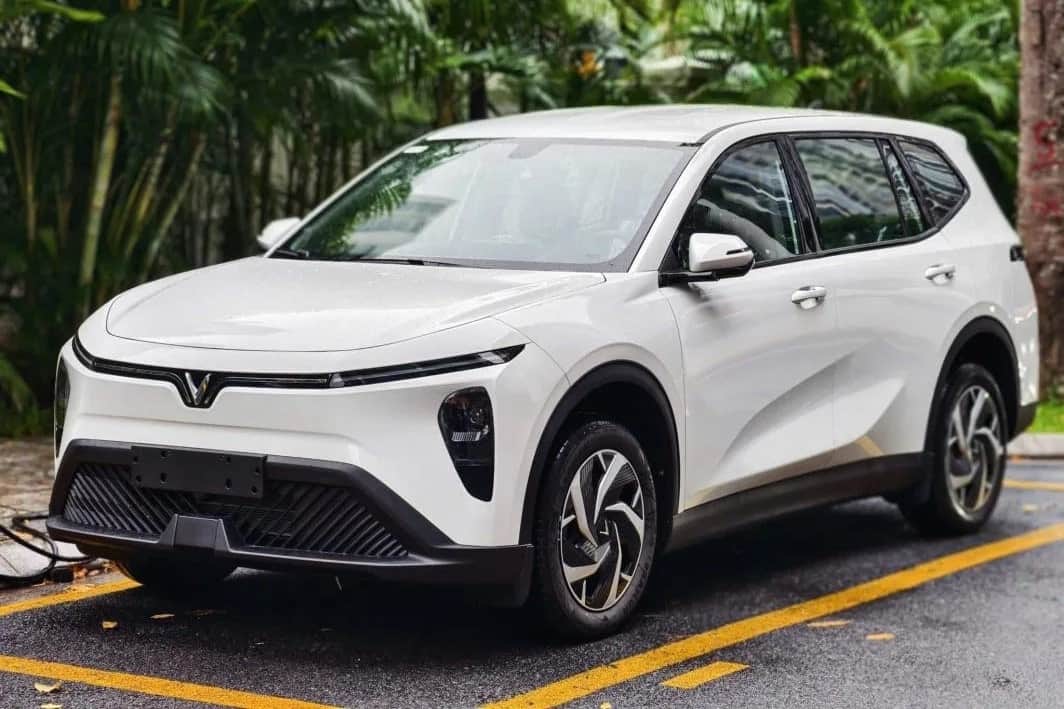
Available on every route. You set the departure time, stop where you want, and the driver handles navigation and parking. Cost scales with distance and is typically quoted per car, not per person, which makes it cheaper per head for groups of two or more. Our cars come in two sizes: a 4-seat sedan or compact SUV, and a 7-seat MPV.
The premium over a bus is real — roughly 3–5 times more for a solo traveller. The premium over a train is smaller when you factor in the taxi at each end and the time lost waiting for fixed schedules. For families, small groups, or anyone whose time is limited, private car is usually the most efficient option in this region.
Whether a car with driver suits your trip, and what to check before you book one: Hiring a Private Car with Driver in Vietnam.
Train
Runs only on the Reunification Express line: Hue–Da Nang is the useful section. No train to Hoi An (30 km from the nearest station) or to Phong Nha (Dong Hoi station exists but is 50 km from the caves with no reliable onward transport). The Hue–Da Nang coastal stretch is scenic enough to be a reason to take the train at least once. Tickets cost far less than a car, but departures are few and delays are normal. Fares depend on the train and the class, so check the current price with Vietnam Railways before you travel.
Bus and shuttle
Tourist shuttles connect Hue, Da Nang and Hoi An daily and are the cheapest door-to-door option. Journey times are longer because of pick-ups and drop-offs. There is no flexibility to stop, and luggage is stored underneath with everyone else's. Local buses are cheaper still but impractical unless you read Vietnamese and enjoy uncertainty about timetables.
Flights
Only useful for getting into or out of the region, not for moving within it. Da Nang airport handles international connections; Phu Bai and Dong Hoi mostly handle domestic flights. There is no flight between any two cities in central Vietnam — the distances are too short.

How to decide what fits your trip
Most visitors to central Vietnam have three to five days and want to cover Hue and Hoi An at minimum. Here are the patterns that work:
Three days: Hue and Hoi An
Fly into Da Nang, transfer to Hoi An (40–50 minutes). Spend one or two days there. Drive Hoi An to Hue via the Hai Van Pass, with short photo stops along the way. One day in Hue for the Citadel and a tomb or two, and an evening for the food. Fly out of Phu Bai or drive back to Da Nang. For the Hue day, our guides to Hue's monuments and what to eat in Hue help you choose.
Five days: add Phong Nha or the DMZ
Follow the three-day pattern but extend the Hue stay. Day-trip to the DMZ (one day) or drive to Phong Nha for one night to see Paradise Cave and the Dark Cave. The Phong Nha side trip works best if you are already heading north or are willing to backtrack.
Seven days: the full loop
Da Nang → Hoi An (2 days) → Hue via Hai Van (1 day) → Hue sights (1 day) → DMZ day trip → Phong Nha (1–2 days) → fly out of Dong Hoi or return to Hue. A private car on a multi-day hire makes this seamless.
Day-by-day versions of these trips, from three to ten days, with what the car costs for each, are in our central Vietnam itinerary guide.
What a private car costs across the region
These are our fixed prices as of October 2026: one way, and per car rather than per person — the same prices, with no hidden fees, that our Routes page shows.
Hue → Da Nang (via the Hai Van Pass): 1,400,000 VND (4-seat) · 1,600,000 VND (7-seat)
Hue → Hoi An (via the Hai Van Pass): 1,600,000 VND (4-seat) · 1,800,000 VND (7-seat)
Hue → Phong Nha: 1,800,000 VND (4-seat) · 2,000,000 VND (7-seat)
Da Nang → Phong Nha: 3,100,000 VND (4-seat) · 3,500,000 VND (7-seat)
Hoi An → Phong Nha: 3,300,000 VND (4-seat) · 3,800,000 VND (7-seat)
Hue city → Phu Bai Airport: 200,000 VND (4-seat) · 250,000 VND (7-seat)
Hue → DMZ → Hue (day trip): 1,750,000 VND (4-seat) · 1,950,000 VND (7-seat)
Prices can change. Our Routes page always shows the current price, and you can book from there. Da Nang–Hoi An, including Da Nang airport to Hoi An, is a fixed-price route too; it is not on that page yet, so ask us for the price.
Practical notes
Road quality. The AH1 highway is good throughout. The Hai Van Pass road is well-maintained but steep and winding — car sickness is rare in a car but common on a bus. Secondary roads to places like Khe Sanh or Bach Ma are rougher.
Timing. All times in this guide assume dry-weather driving. Hue's rainy season (October–December) slows everything by 15–30 minutes and occasionally closes the Hai Van Pass road.
Tolls. The Hai Van tunnel charges a toll: 110,000 VND per trip for a car with fewer than 12 seats (the rate since May 2021). The pass road is free. Our prices are fixed, with no hidden fees; if you book elsewhere, ask whether tolls are included.
Luggage. A 4-seat sedan fits two large suitcases comfortably. A 7-seat MPV has more boot space. If you are travelling with surfboards, bicycles, or unusually large luggage, mention it when booking.
Language. Most private-car drivers in the tourist corridor speak basic English — enough for stops and directions, not enough for historical commentary. If you want a guide who explains the sites, that is a different service and a different price.
Visas, cash, data and the rest of the preparation are covered in our central Vietnam travel tips.
Next steps
The most travelled route already has its own detailed guide, stop by stop: Hue to Hoi An by Private Car.
If you already know your route and your group size, our Routes page shows the current price for a 4-seat and a 7-seat car, and you can book from there.
The blog collects every guide we have published so far, and the about page tells you who we are.