Most guides to central Vietnam stretch it south to Nha Trang and inland to Dalat. This central Vietnam travel guide covers less ground and goes further into it: the strip of coast from Phong Nha in the north to Hoi An in the south, the stretch our cars drive. Since 2025 that strip has only three administrative units. Phong Nha belongs to Quang Tri province (it was Quang Binh until then), Hue sits in the middle, and Hoi An is part of Da Nang city (it was in Quang Nam).
So what is central Vietnam known for? Six things, in six places: caves in the limestone hills of Phong Nha, the line that divided the country at the DMZ, the last imperial capital at Hue, a mountain pass above the sea at Hai Van, a beach city at Da Nang, and an old trading port at Hoi An. Below, north to south, is what each place is like, who it suits, whether to sleep there and when it is at its best. Getting between them and how many days to give them have guides of their own, linked along the way.
Central Vietnam at a glance
Six places, north to south, and what each one is:
Phong Nha — a national park of limestone hills, caves and jungle, and a UNESCO World Heritage site. A base: it is far enough north that a night there makes sense.
The DMZ — war memorials and museums around the former border between North and South. A day trip or a stop on the road: nobody stays there.
Hue — the old imperial capital: a citadel, royal tombs in the hills, and a cooking style of its own. A base, and the natural one for the DMZ.
Between Hue and Da Nang — the Hai Van Pass over the mountains, the bay at Lang Co and Bach Ma National Park. Stops and day trips, not a base.
Da Nang — the largest city in central Vietnam, on the beach, with the region's main international airport. A base.
Hoi An — an old trading port on a river, its ancient town a UNESCO World Heritage site. A base, and at its liveliest in the evening.
How these places connect by road, rail and air, with the distance and driving time of each route, is set out in our guide to getting around central Vietnam.
Phong Nha: caves in the limestone hills
Phong Nha-Ke Bang is a national park and a UNESCO World Heritage site, known for its caves and for the jungle on the limestone hills above them. Since July 2025 the listing has been shared with Hin Nam No National Park in Laos, making it Vietnam's first World Heritage site to cross a national border.
Most visitors come for the caves; Paradise Cave and the Dark Cave are two of the names you will hear. Which one suits you is a question of its own, and not one this guide tries to settle. Away from the caves, Phong Nha is rural and quiet, with fields below the limestone peaks and little to do after dark. Days here start early and end early.
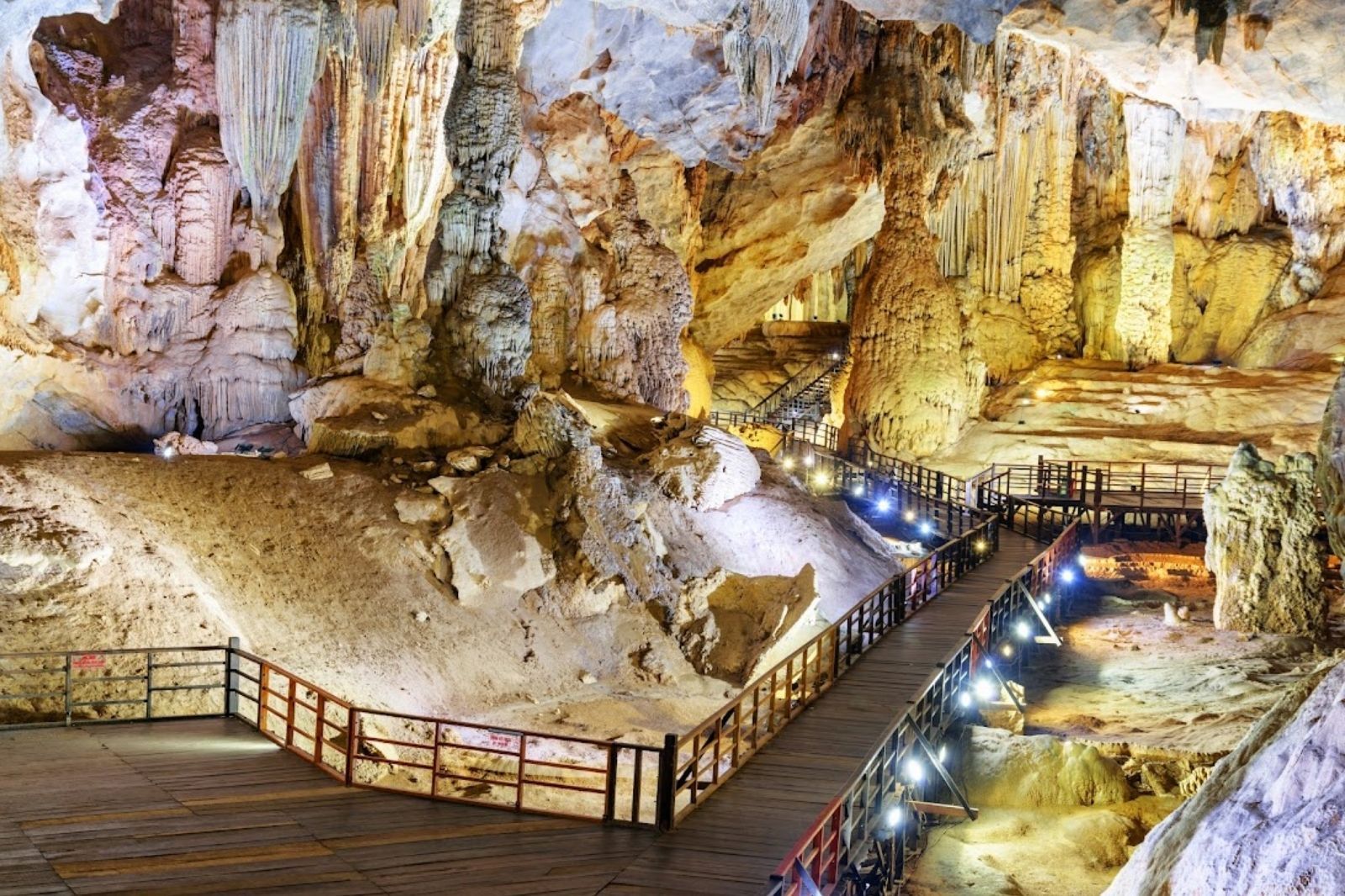
Phong Nha suits travellers for whom landscape is a reason to make the trip, and active ones most of all. It suits less well anyone who wants restaurants, shops or a lively evening; Hue and Hoi An do those better.
It is also far north of everything else on this strip, which is why it works best with a night there rather than as a round trip in a day. You arrive either by road from Hue or by air at Dong Hoi, the airport that serves Phong Nha; both are covered in our transport guide.
The DMZ: where the country was divided
South of Phong Nha, and in the same province, lies the former Demilitarised Zone, the strip of land around the old border between North and South Vietnam. Three names are worth knowing:
The Hien Luong bridge — the crossing on the former border itself.
The Vinh Moc tunnels — on the coast nearby, and part of the same day trip as the bridge.
Khe Sanh — a former US Marine base, further west in the hills, and a longer day.
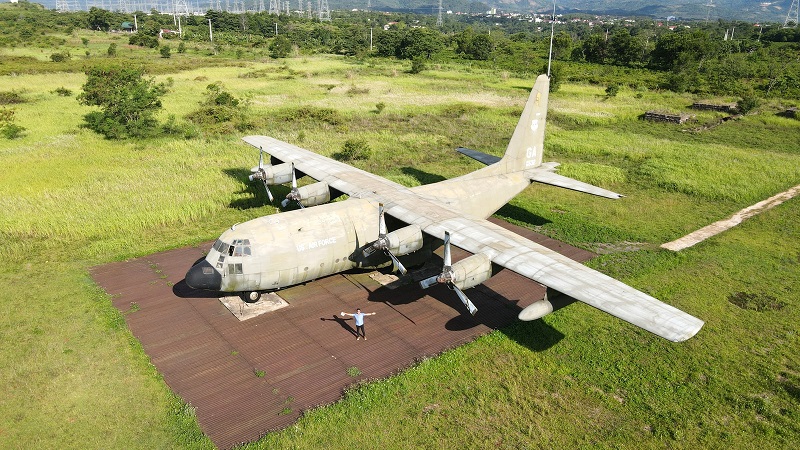
These are memorials and museums rather than scenery. They suit anyone with an interest in the war, and they mean more if you read a little before you go. If war history is not part of why you came, this is the part of the strip to leave out.
Nobody stays in the DMZ area. It is a day trip from Hue, or a stop on the drive between Hue and Phong Nha: our fixed-price car on that route includes stops at the DMZ sites, though the entrance tickets are separate. From a hotel in Hue, the DMZ day trip on our Routes page covers the bridge and the tunnels, and a longer version adds Khe Sanh.
Hue: the old imperial capital
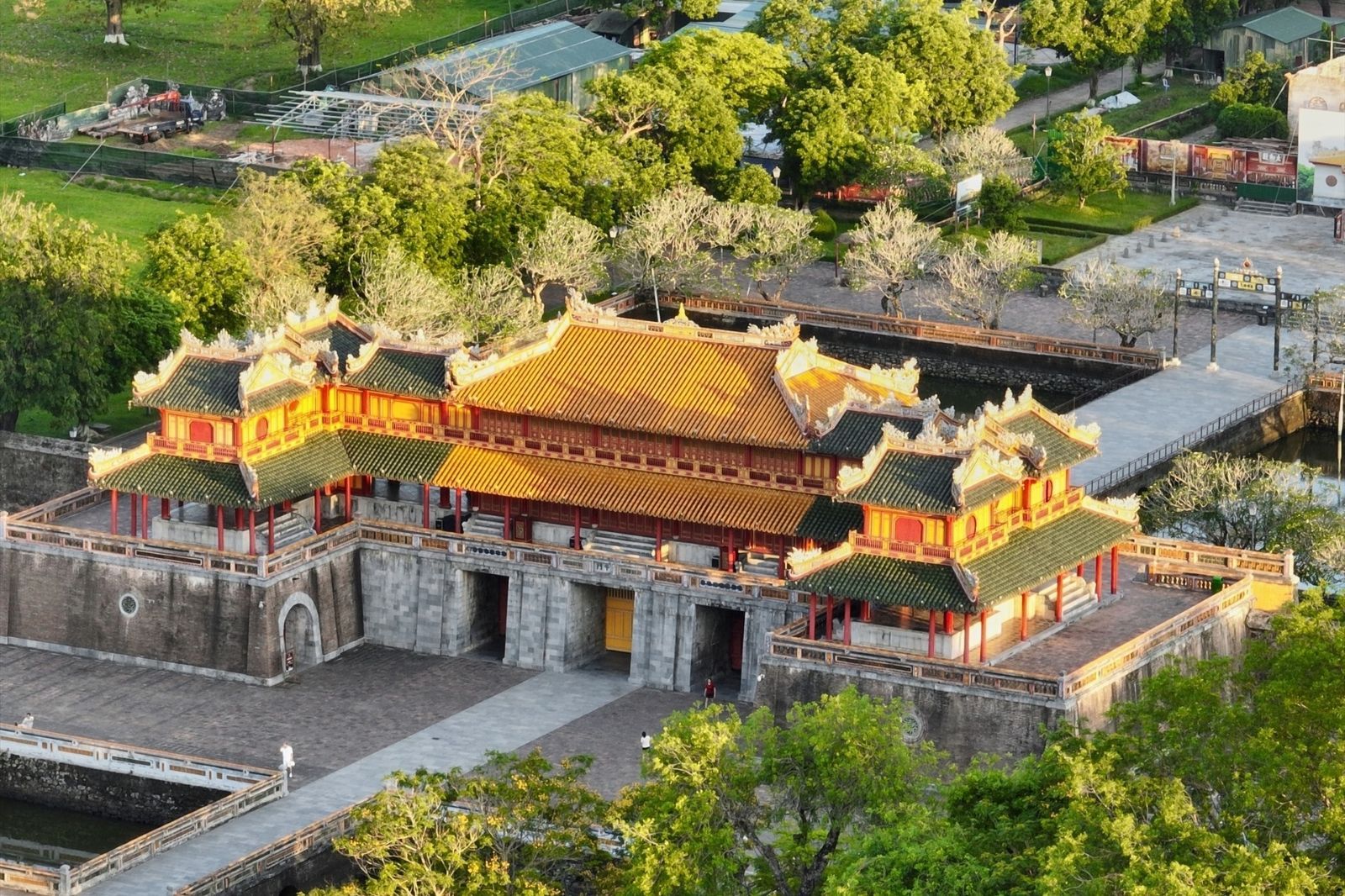
Hue was the capital of the Nguyen dynasty from 1802 to 1945, the seat of thirteen emperors, and its monuments were listed by UNESCO in 1993. The Citadel stands on the north bank of the Perfume River in the middle of the modern city, Thien Mu Pagoda sits upriver on the same bank, and the royal tombs are spread through the hills south and south-west of town. Which of them to see, and in what combination, is the subject of our guide to Hue's monuments.
Hue is a food city in its own right. Its everyday cooking is hotter and more fermented than anything in Hanoi or Saigon, and the imperial court left a taste for many small dishes; our guide to what to eat in Hue says where to begin.
Outside the city, the countryside to the east has an 18th-century covered bridge at Thanh Toan among the rice fields, and the Tam Giang lagoon lies on the coast to the north. Both are easy additions from a Hue hotel.
In our view Hue is the most local of the towns on this strip: a working city that happens to hold the monuments, rather than one built around visitors, and slower than Da Nang or Hoi An. It suits travellers who come for history and food, and anyone who likes a city that keeps its own pace. Two things to know if anyone in your group finds heat or steps hard: the Citadel has little shade, and the main chamber of Khai Dinh's tomb can only be reached by steep staircases.
Hue is a natural base, for the monuments and for the DMZ, and Phu Bai, its domestic airport, is 15 km south of the centre.
Between Hue and Da Nang: Lang Co, Bach Ma and the Hai Van Pass
South of Hue, the Hai Van range, the last spur of the Truong Son mountains, cuts the coast in two. The pass road climbs over it, with views over the coast on both sides, and a tunnel runs underneath for traffic in a hurry. If you cross only once, try to do it in daylight and dry weather, because the views are the point.
At the northern foot of the pass is Lang Co, a fishing village on a bay, with the Lap An lagoon behind it. Inland, in the mountains between Hue and Da Nang, lies Bach Ma National Park, reached by a road that is rougher than the highway.
This stretch suits anyone who travels for scenery, and it works as a set of stops rather than a base; none of these places is a reason to change hotels. Lang Co is already a stop on the drive between Hue and Hoi An, and with more time it can be a slow day of its own. Bach Ma is a day out in the hills. Both can be arranged as a private car from Hue on request.
Da Nang: the beach city
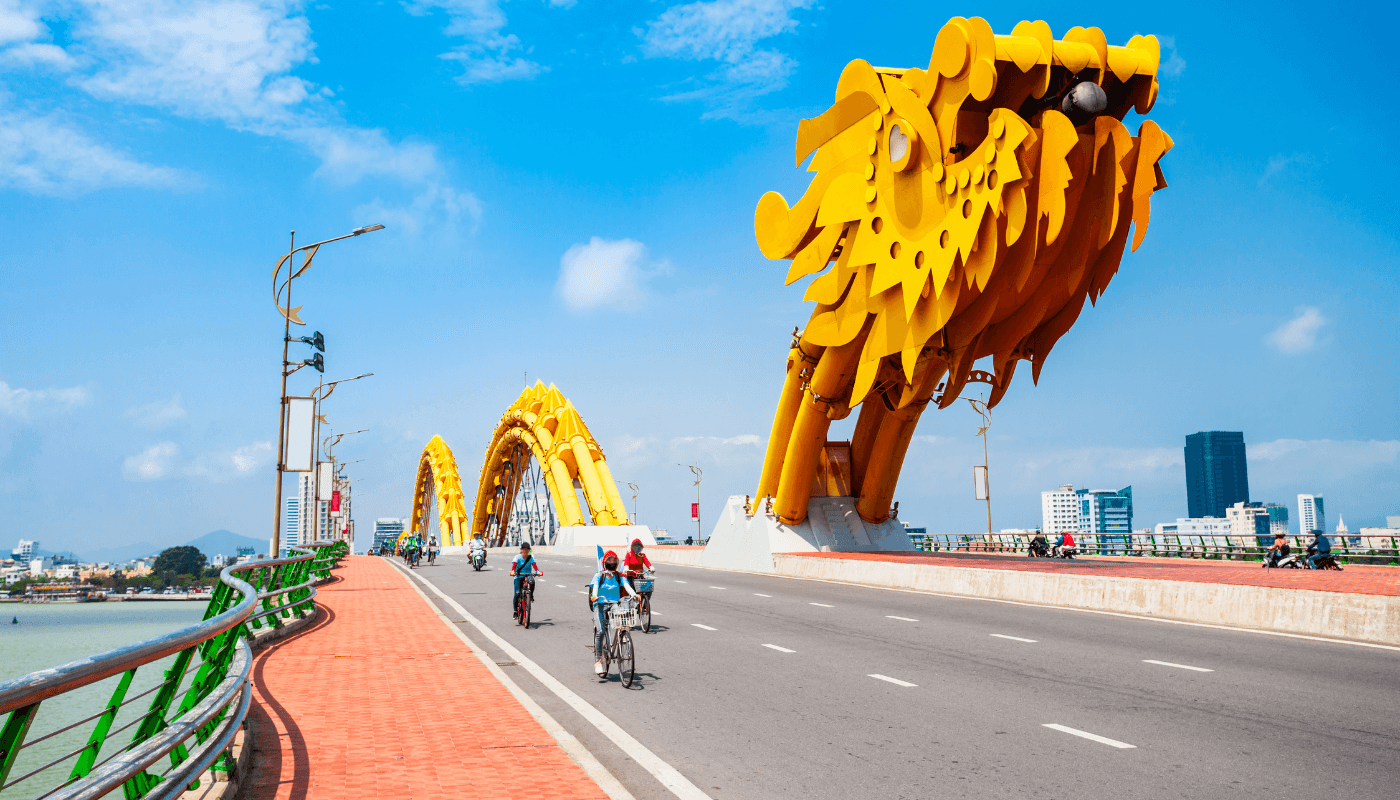
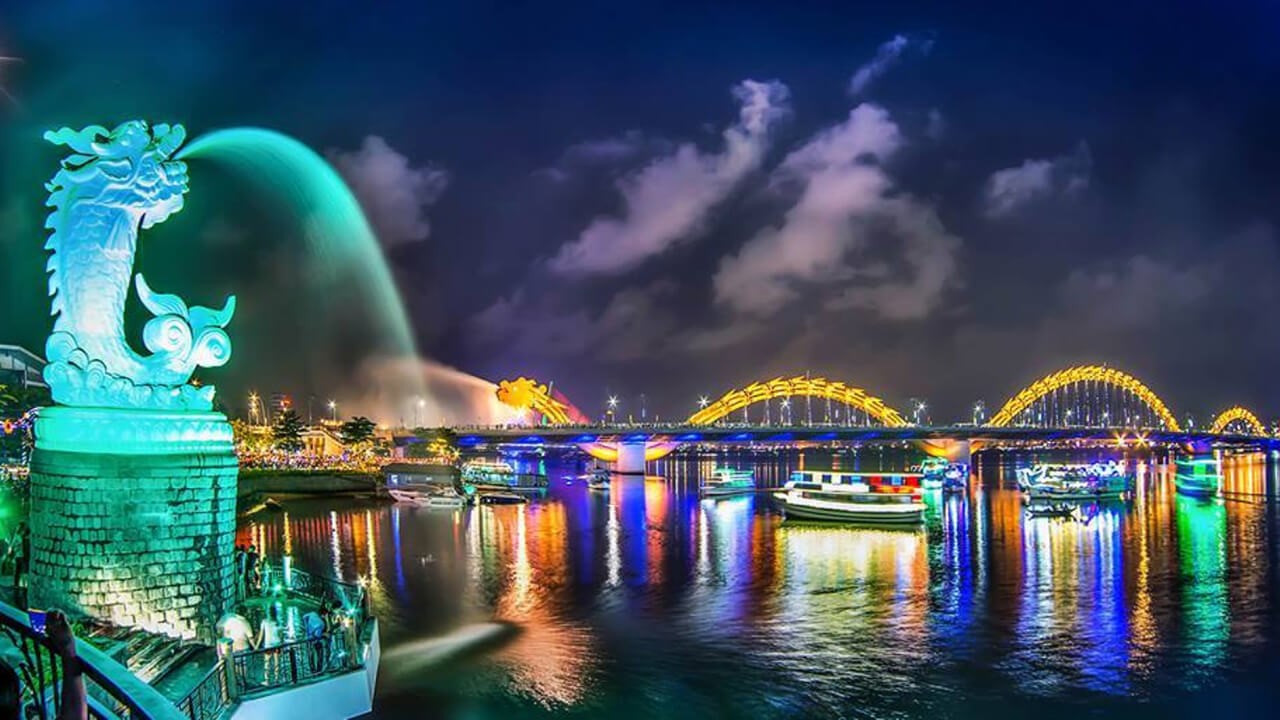
Da Nang is the largest city in central Vietnam and has the region's main international airport, so for many visitors it is where the trip starts. It feels like a city rather than a resort: a river through the middle, crossed by bridges that light up at night, and the beach along the seaward side. If Hue is about the past and Hoi An about atmosphere, Da Nang is about ease: the airport, the beach and a city's choice of places to stay and eat.
Three places nearby are worth knowing. Ba Na Hills is a mountaintop resort west of the city, reached by cable car, with a mock-French village at the top. The Marble Mountains lie south of the centre, on the road to Hoi An, and the Son Tra peninsula is on the city's doorstep. For any of the three we can pick you up from your hotel in Da Nang or Hoi An, priced on request.

Da Nang suits travellers who want a beach, families who want comfort and a wide choice of hotels, and anyone who prefers a city around them. It is a base in its own right, and with the airport on hand it makes an easy place to start or finish. From Hue, our fixed-price car takes the Hai Van Pass road, weather permitting.
Hoi An: the old trading port
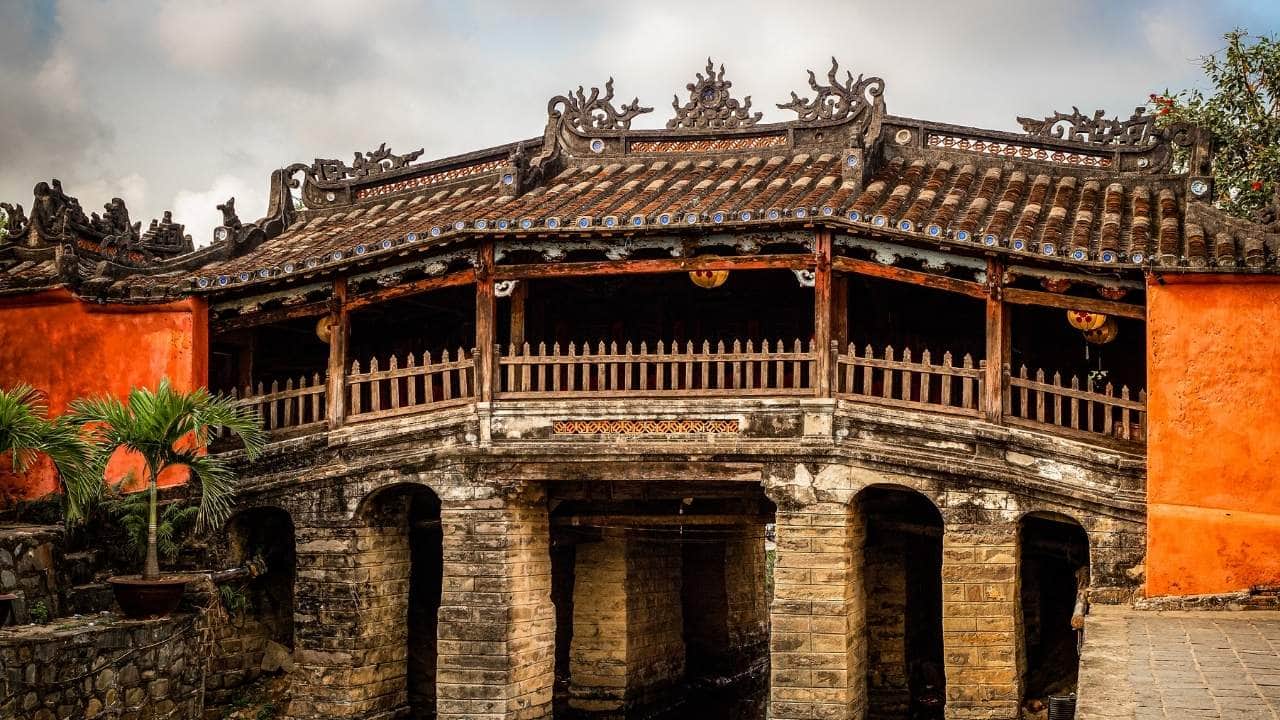
Hoi An is an old trading port and, since 2025, part of Da Nang city. Its ancient town is a UNESCO World Heritage site, inscribed in 1999, the same year as the My Son sanctuary inland.
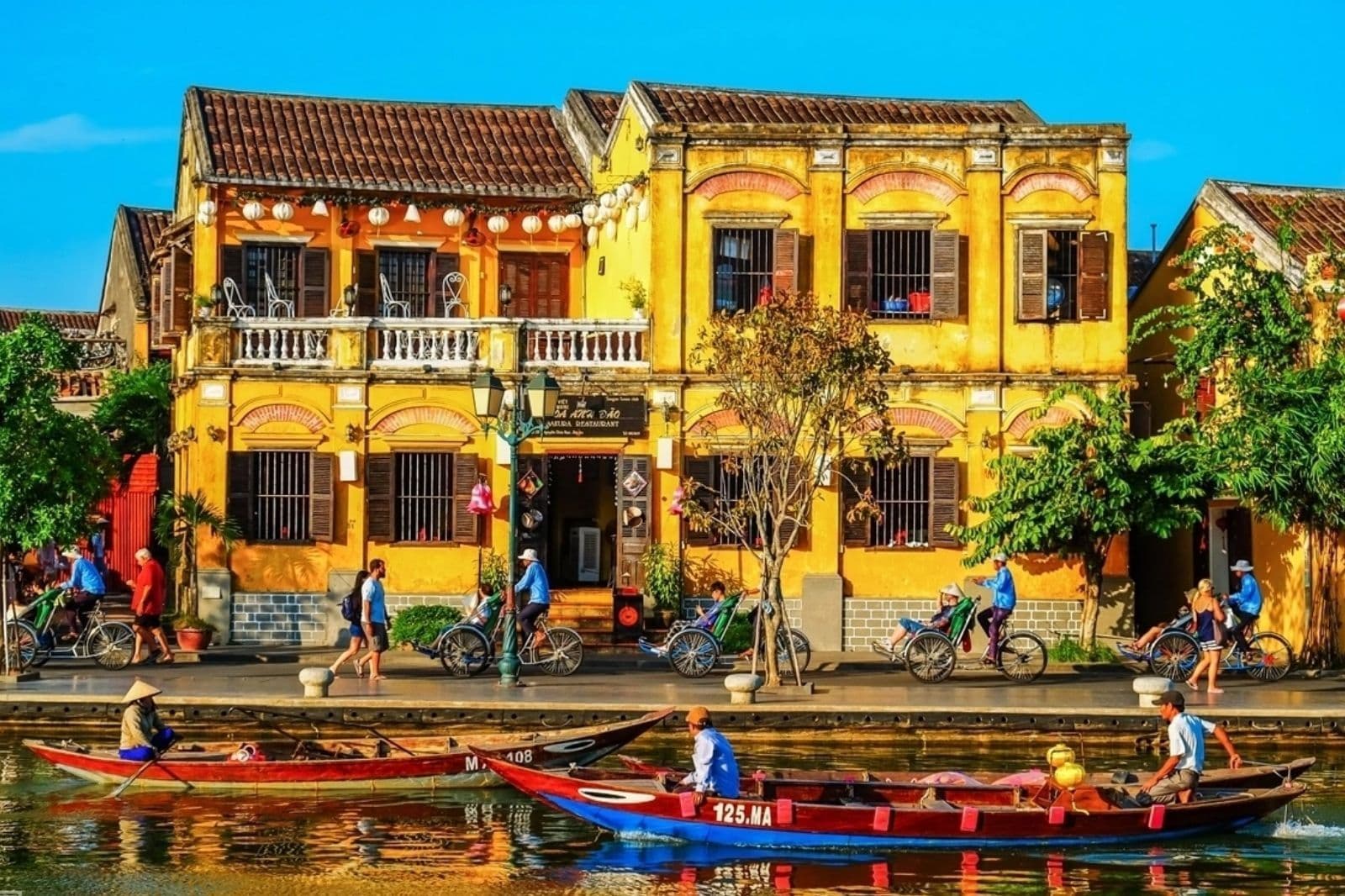
The old town is small and made for walking: rows of shophouses, the river with its wooden boats, and strings of lanterns along the streets. It is at its liveliest in the evening, when the lanterns are lit, and busy then too, so expect to share the streets. Food is part of the evening, and the town has dishes of its own.
In the hills inland lies My Son, a sanctuary of ruined Cham temples and the natural trip out of town; we can pick you up from your hotel in Hoi An or Da Nang, priced on request.
Hoi An suits travellers who come for atmosphere, walking, shopping and food more than for sights, and it is the base to choose if your evenings matter. It has no airport and no railway, so every arrival is by road: our fixed-price cars come from Hue, and Da Nang airport to Hoi An is a fixed-price route too, priced on request because it is not on our Routes page yet.
Choosing your bases
Most trips on this strip use two or three of these towns as bases and treat the rest as day trips or stops on the road. For how many nights, and in which order, see our plans for three to ten days. What follows is the other half of the question: which town suits which traveller.
Hue or Hoi An?
Both, if you can: they are different enough that one does not stand in for the other. If you must choose, choose Hue for history, food and a city that is not built around visitors, and Hoi An for atmosphere, walking and evenings out. Hue is also the base for the DMZ and the tombs; Hoi An is the base for My Son.
Hoi An or Da Nang?
Hoi An if the old town in the evening is the point of the trip; Da Nang if the beach, a wider choice of hotels and the airport matter more. They are close enough that the choice is not final: from Da Nang, Hoi An makes an easy evening out, and from Hoi An, Da Nang is an easy day.
Is Phong Nha worth the trip north?
Yes, if caves and landscape are among the reasons you came: nothing else on this strip is like it. If they are not, it is the easiest place to leave out, because it is the furthest from everything else. If you go, give it a night. A round trip from Hue in a day is possible, but a night there is easier.
When to go, place by place
October to December is the rainy season. Rain slows the drives and now and then closes the Hai Van Pass road, in which case the car takes the tunnel and you lose the view rather than the day. In those months, leave room in the plan for a wet day, especially if the beach or the view from the pass is part of why you came.
February to April is the most comfortable time for long days outdoors: the Citadel and the tombs in Hue, the DMZ sites, the old town in Hoi An.
May to August is hot. Plan the monuments for early morning and late afternoon, and keep the middle of the day for a rest or the drive.
For the region as a whole, the best time to visit central Vietnam and the rest of the preparation are in our central Vietnam travel tips.
Next steps
Once you know which of these places you want, our Routes page shows our fixed-price cars between Hue and Da Nang, Hoi An or Phong Nha, which cost the same in either direction, along with the DMZ day trips and the Hue city tours. Each shows today's price for a 4-seat and a 7-seat car, and you can book from there.
Day trips to Bach Ma or Lang Co from Hue, day trips to Ba Na Hills, the Marble Mountains, the Son Tra peninsula or My Son with pickup from your hotel in Da Nang or Hoi An, and a car with the same driver for several days are all arranged on request: ask us for a quote. Our cars come in two sizes, a 4-seat sedan or compact SUV and a 7-seat MPV.
Getting between them is covered in our transport guide, and how many days to give them in our plans for three to ten days.
Visas, money and the rest of the planning: Planning a Trip to Central Vietnam.
The blog collects every guide we have published so far, and the about page tells you who we are.