In Vietnam, car rental usually means renting a car with a driver. Local companies supply the car and the person who drives it together, for a single journey, a day or several days. So the question most visitors face is not which car to rent, but whether a car with driver suits their trip at all.
This guide is for that decision. It explains how hiring a private driver in Vietnam works, who it suits and who is better off on the train, a bus or a ride-hailing app, and what to check before you book, whoever you book with. You will not find prices here: what a car costs depends on the route, the car and the company, and our own current prices are on our Routes page.
Most of this guide applies wherever you travel in Vietnam. A section near the end is about our own cars, which drive the coast between Phong Nha and Hoi An from a base in Hue, and answers the same questions for them.
How hiring a car with driver works
When you hire a car with driver, you hire the car and the driver together. The driver drives, finds parking and waits while you visit a site, eat or take photos; you decide when to leave and, within the plan you agreed, where to stop. Nobody in your group has to drive, read road signs or find the way.
You agree the route, the date, the pickup time and place and the car in advance, usually by message; the company confirms, and on the day the driver picks you up from your hotel, the airport or wherever you agreed.
A car with driver is priced per car, not per person. A couple pays the same as one traveller for the same car, so it gets cheaper per head from two travellers up, and the bigger the group, the more that counts.
Most companies offer it in three shapes:
A fixed route or transfer — from one place to another, such as an airport to a hotel or one town to the next, at a price agreed before you travel.
A day, or a route of your own — a day of sights, or a trip you plan yourself, quoted for that plan.
Several days with the same driver — one car and one driver from the first day to the last, quoted as a whole. On longer trips, ask how the driver's meals and nights are handled.
A driver is not a guide. Drivers take you to the sites and wait outside; explaining what you are looking at is a different job, covered further down.
Whether a car is the right way to cover a particular route is a separate question, with distances, times and fares behind it. Our transport guide sets out how the car compares with the train, the bus and flights on each route in central Vietnam.
Who it suits, and who should not bother
Is it worth hiring a private driver in Vietnam? For some trips clearly yes, for others clearly not, and it helps to know which kind yours is before you compare prices.
A car with driver tends to suit:
Two or more travellers. The price is per car, so it is shared.
Families, older travellers and anyone with luggage. Door to door means no stations, no changes and no dragging bags between them, which matters most to anyone who finds heat or stairs hard.
Days with several stops. A viewpoint, a temple, lunch and a market in one day are easy by car and slow by anything else.
Places public transport does not reach well. On the coast we drive, Phong Nha, the DMZ sites and the royal tombs outside Hue are all reached by road, and Hoi An has no airport and no railway.
The day you land. After a long flight, being met at arrivals by a car with room for your bags takes care of the first hour of the trip.
It tends not to suit:
A solo traveller on a tight budget. A seat on a bus costs far less than a whole car, and over a long trip the difference adds up.
A stay in one city. For short trips around town, ride-hailing apps and taxis are enough.
Travellers who want the train for its own sake. The railway along the coast between Hue and Da Nang is worth taking at least once.
Anyone who wants the sites explained. That needs a guide, not a driver.
Many trips mix the two: a car for the long days and the awkward connections, an app or a walk for evenings in town. If you are planning several days, our itineraries add up what the car costs for each plan, so you can see the whole trip before you decide.

A car with driver, or something else?
Each of the alternatives wins in some situations. Below are the four that most travellers weigh, and where each does better or worse than a car with driver. None of it depends on a particular route; the route-by-route figures are in our transport guide, linked below.
Driving yourself
Can you rent a car and drive it yourself in Vietnam? It depends first on your licence. The UK government's travel advice tells British travellers that to drive a car or motorbike they need the 1968 version of the international driving permit as well as their UK driving licence, that it is illegal to drive without third-party insurance, and that compliance with road laws is poor. That advice is written for British licence holders; if your licence is from somewhere else, check what your own country's permit allows before you plan to drive.
Even with the right papers, driving yourself means learning the traffic, the road signs and the parking as you go, on top of the trip itself, and someone in the group spends every day at the wheel instead of at the window. That is why, for many visitors, hiring a car in Vietnam ends up meaning hiring the driver too.
Ride-hailing apps and taxis
In the cities, ride-hailing apps and metered taxis are the easy choice for short trips: to dinner, to a museum, back to the hotel. The UK government's advice recommends pre-arranged transport or official taxi-hailing apps, such as Grab or XanhSM, and booking the full journey in the app; it also says that metered taxis from larger firms are generally reliable.
Is Grab cheaper than a private driver? For one person going a short distance, usually yes. The answer changes over a long day. An app car takes you from one point to the next and leaves; a car with driver waits, keeps your bags on board, stops where you ask along the agreed route and usually costs a price fixed before you set off. For a group, divide that price by the number of people before you compare.
Train, bus and shuttle
Trains, buses and tourist shuttles cost less per person than a car, and for a solo traveller covering long distances they are the obvious choice. The trade-off is fixed timetables and travel from station to station, or between the operator's own pick-up points, with a taxi or a walk at each end. You cannot stop on the way.
How useful they are depends on the route. On the coast between Phong Nha and Hoi An, the train is useful only between Hue and Da Nang, and Hoi An has no railway at all. Our transport guide gives times and fares, route by route.
A group tour, or a guide
A shared group tour fixes the schedule, the stops and the company for you, and usually costs less per person; a car with driver leaves all three to you. Which suits you depends on whether you want the day planned for you or by you.
A guide and a driver do different jobs. A guide explains the sites and goes in with you; a driver gets you there and waits outside. Do drivers in Vietnam speak English? On the coast we drive, most speak basic English, enough for stops and directions but not for historical commentary. If you want someone to explain the sites, a guide is a different service. If you go without one, read up first: our monuments guide describes what each monument is like in Hue.

What to check before you book, with any company
What should you ask before hiring a driver in Vietnam? Whoever you book with, get these answers before the day, ideally in writing, in a message you can find again:
The car, for people and bags. Count bags as well as seats: a car that seats your group may not take its luggage. Mention anything bulky, such as a pushchair, bicycles or surfboards.
What the price covers. Ask which of these are in the price and which you pay on the day: fuel, tolls, parking, waiting time and, on trips of several days, the driver's meals and room. Whether you pay for the driver's meals is exactly the kind of question to settle now rather than at the end of the trip.
Who drives, and in what language. Ask how much English the driver speaks. Basic English is common and enough for a journey; if you want explanations at the sites, you want a guide as well.
How and when you pay. Before or after the trip, in cash or by card, whether a deposit is asked, and what happens if you cancel. The UK government's advice also tells travellers not to use their passport as a deposit for hiring vehicles.
Children. Ask whether the company has child seats and how to request one.
Airport pickups and late flights. Ask where the driver will meet you, and what happens if your flight lands late.
Stops and changes on the day. Ask how stops along the way work, whether you can add one or change the plan once you are on the road, and whether that changes the price.
Who the company is. A name, a phone number that answers, and reviews from many travellers on independent sites, not only on the company's own pages. On the day, check that the car and the driver match your booking.
One more question comes up at the end of a trip: the tip. Tipping is not a traditional part of Vietnamese culture: in restaurants and cafés it is not expected, though it is appreciated.
Our cars in central Vietnam: the answers to those questions
We drive the coast from Phong Nha in the north to Hoi An in the south, from a base in Hue, and take trips beyond that strip too, quoted on request. Here are our answers to the same questions:
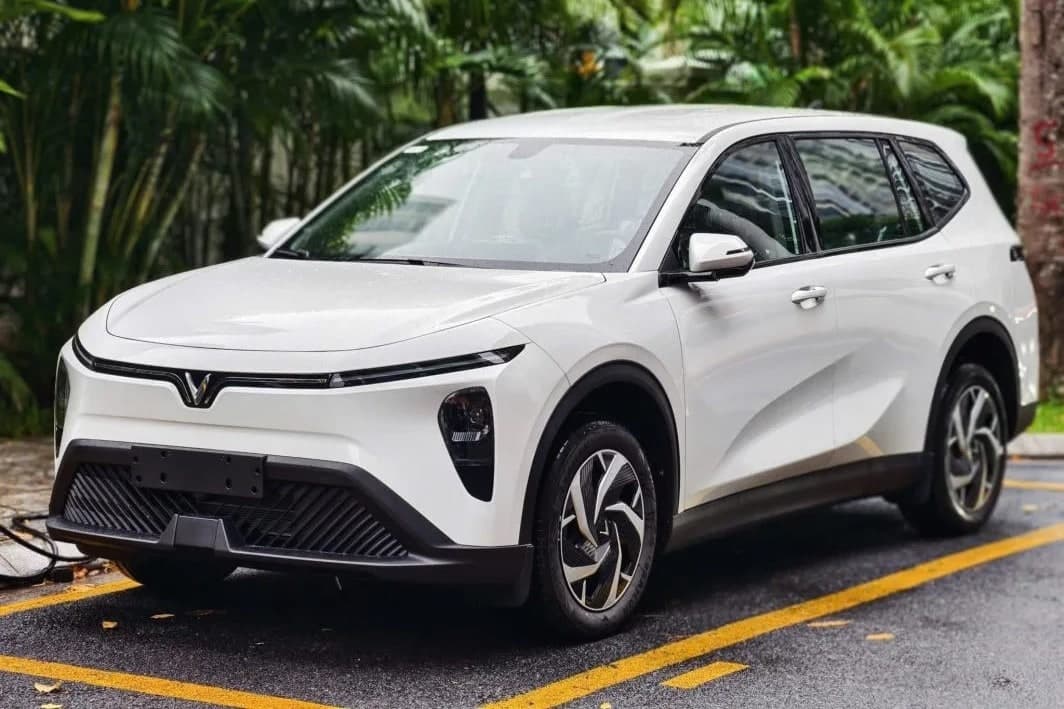
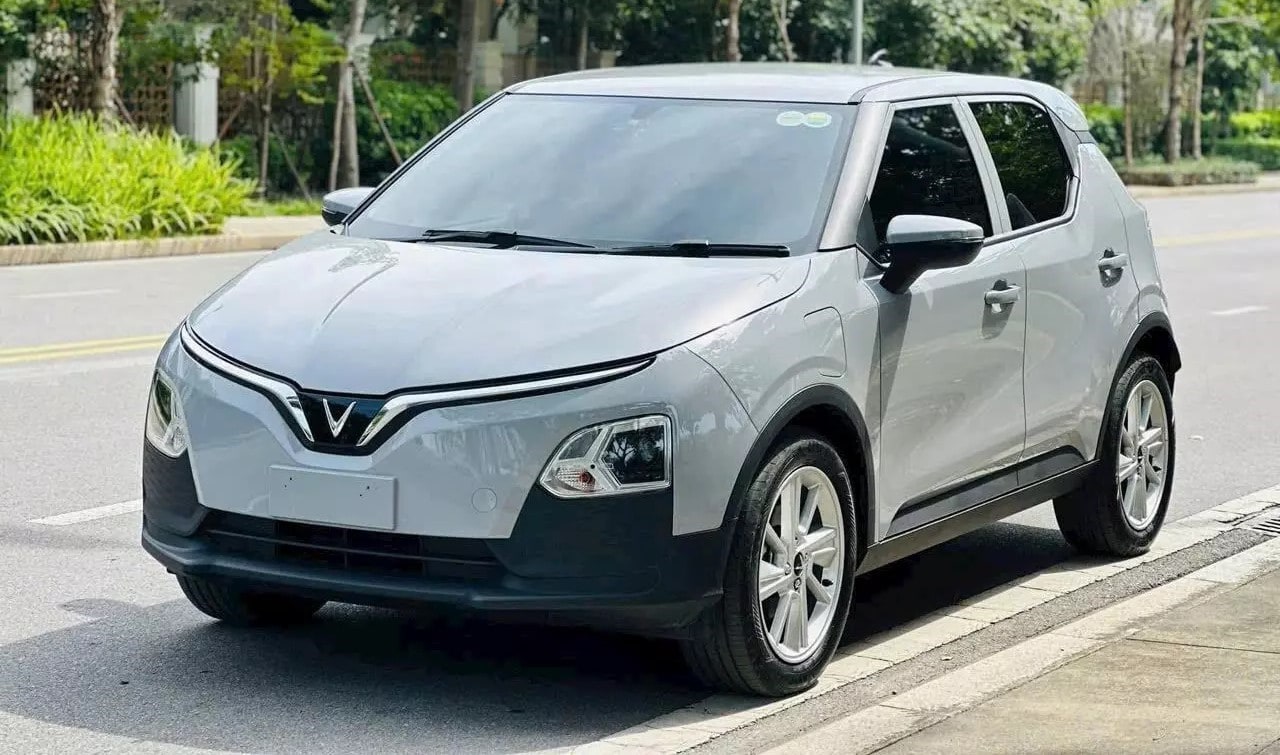
The car. A 4-seat sedan or compact SUV for up to three passengers and two bags, or a 7-seat MPV for up to six passengers and three bags. You can see both cars on our Booking page. If you are bringing anything bulky, tell us when you book.
The price, and what it covers. On the routes listed on our Routes page, each car has a fixed price, agreed before you travel: Hue to or from Da Nang, Hoi An, Phong Nha and Phu Bai airport, the same in either direction, plus the DMZ day trips and the Hue city tours. Da Nang, or Da Nang airport, to Hoi An has a fixed price too, given on request. On these fixed routes the price includes fuel, parking and, on routes that go through it, the Hai Van tunnel toll. On transfers from one place to another, you can make photo stops along the way, limited to 10–15 minutes. The car from Hue to Phong Nha also stops at the DMZ sites; entrance tickets are separate. Drivers pay for their own meals.
Custom days and longer trips. Day trips to Ba Na Hills, the Marble Mountains, Son Tra or My Son with pickup from your hotel in Da Nang or Hoi An, other days you plan yourself, several days with the same driver and trips beyond the strip are quoted on request, per car and agreed before you travel. Ask us what the quote covers, and we will spell it out.
The driver. Our drivers speak basic English, enough for stops and directions. They are not guides.
Paying and cancelling. There is nothing to pay in advance and no deposit. You pay the driver after the trip, in cash, in Vietnamese đồng or US dollars. Cancelling costs nothing.
Children. Child seats are available; tell us when you book.
Airport pickups. The driver waits in the arrivals area holding a sign with your name. We track your flight, and if it lands late, the driver waits.
Booking. Book from our Routes page, or message us on WhatsApp, Zalo or Messenger, or call.
Next steps
If a car with driver fits your trip, our Routes page shows today's price for a 4-seat and a 7-seat car on each route, and you can book from there. For a day of your own or a longer trip, send us your dates, the size of your group and your plan, and ask what the quote covers.
Our central Vietnam travel tips cover the rest of the preparation, from visas to cash, and if you are still choosing where to go, our travel guide describes what each place is like.
The blog collects every guide we have published so far, and the about page tells you who we are.